
Mayo Clinic Revenue Cycle RPA automation- UiPath, Automation Anywhere, Blue Prism- 2026 Best Guide
In this article you will learn what Mayo Clinic is, Mayo Clinic Revenue Cycle RPA automation and how they are using software robots to handle hospital billing, which tools they picked, what their own leaders said about it, and how other big hospitals across the US are doing the exact same thing.
What Is Mayo Clinic?
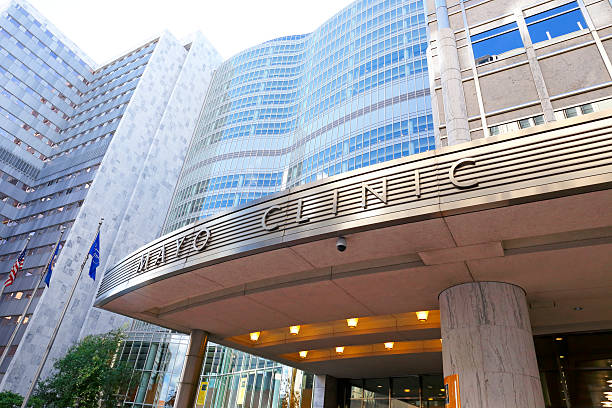
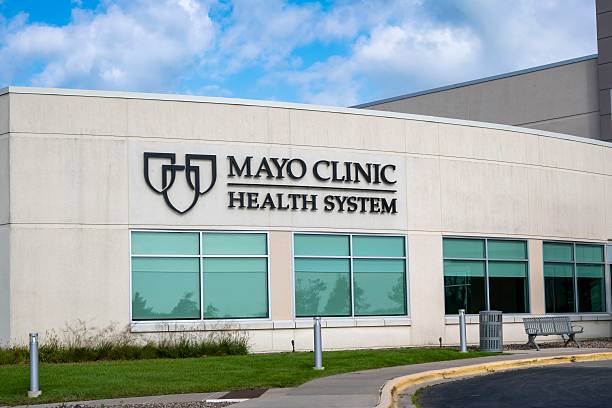
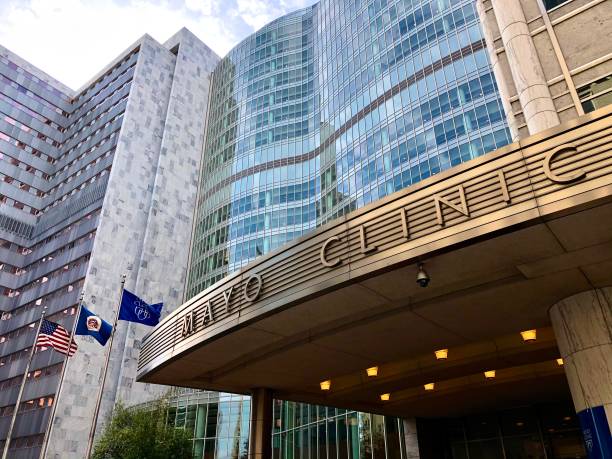
Mayo Clinic is one of the most well-known nonprofit hospitals in the world. It started as a small clinic in Minnesota in 1864 and now treats over a million patients every year from 140 countries.
What Did Mayo Clinic Automate?
Mayo Clinic uses RPA, software robots to handle the billing and payment side of their hospital operations. Here is what they automated:
- Insurance eligibility checks
- Prior authorization requests
- Radiology billing and coding support
- Claim status monitoring
- Denied claim detection and resubmission
- Payment posting
- Future revenue prediction using AI and analytics
- Epic EHR integration with RPA bots layered on top
What Is RPA and Why Does Mayo Need It?
RPA stands for Robotic Process Automation. It is software that does computer tasks automatically, no human needed. For a hospital seeing 1.3 million patients a year, that kind of repetitive work adds up to millions of dollars in billing every single day. Getting it right and getting it done fast is a big deal.
The Hospital Billing Problem Nobody Talks About
When a patient visits Mayo Clinic, the medical part is maybe 20% of what actually happens behind the scenes. The other 80% is a financial process most patients never see.
It works like this:
- Check if the patient has active insurance (eligibility verification)
- Get insurance approval before a procedure (prior authorization)
- Assign billing codes to everything that happened (medical coding)
- Send the bill to insurance (claims submission)
- Record the payment when it arrives (payment posting)
- Fight the claim if insurance rejects it (denial management)
Every single step used to be done by a person sitting at a screen clicking through forms. RPA now handles most of it automatically.
Mark Norby Said About This

Mark Norby is Mayo Clinic’s Revenue Cycle Chair, he person responsible for making sure the hospital actually gets paid. He spoke publicly about their RPA strategy and said something worth reading carefully:
“Our revenue cycle leaders have a grand vision for automation. We want to automate as much as we can, and we want to use the right tool at the right time for the right price. We are utilizing Epic’s automation to its fullest. Our strategy is to use that base system that we have already paid for and then bolt onto it with RPA and other forms of automation, like machine learning and AI.”
He also said something honest about picking vendors:
“Our biggest pain point is that multiple vendors are in this space, including new entrants, and everyone says what they can do, but very few can prove what they do. Our biggest struggle is recognizing what they sell versus what they actually do.”
The Three Tools, UiPath, Automation Anywhere, Blue Prism
These are the three RPA platforms you will see named in almost every hospital automation story. Here is each one clearly.
UiPath
The most popular RPA tool in the world. It has been ranked number one by Gartner for six years in a row.
✔ Website: uipath.com
✔ Healthcare Page: uipath.com/solutions/industry/healthcare-automation
✔ Contact: uipath.com/company/contact-us
✔ Email: info@uipath.com
✔ HQ: New York, NY
✔ CEO: Daniel Dines (co-founder)
✔ Founded: 2005, Bucharest, Romania
✔ Stock: NYSE — PATH
✔ Customers: 10,000+ worldwide
✔ Free Version: Yes — Community Edition at uipath.com/start-trial
✔ Gartner Rank 2025: #1 for sixth consecutive year
What it automates in hospitals:
- Insurance eligibility checks before appointments
- Claim submission and error checking before it goes to the payer
- EOB payment posting to patient accounts
- Prior authorization form submissions to insurance
- Denied claim flagging and resubmission
Best for: Most hospitals. Easiest to learn. Lowest setup cost. You can build your first bot in days without needing a developer.
Real result: PromptCare used UiPath and cut manual billing labor by 50% with noticeably faster cash flow.
Tips: Start with the free Community Edition. Build your first eligibility verification bot before touching anything else. It is the fastest win and the easiest to measure.
Automation Anywhere
Built for hospitals dealing with massive claim volumes across dozens of insurance companies at the same time.
✔ Website: automationanywhere.com
✔ Healthcare Page: automationanywhere.com/solutions/healthcare
✔ Contact: automationanywhere.com/company/contact
✔ HQ: San Jose, California
✔ CEO: Mihir Shukla (co-founder)
✔ Founded: 2003 — originally called Tethys Solutions
✔ Gartner Rank 2025: #2
What it automates in hospitals:
- Large batches of remittance files from 60+ payers at once
- Payment posting at a scale that would take dozens of staff
- IQ Bot — reads messy EOB documents and pulls the right data automatically
- Claim denial detection and routing
- Real-time connection across multiple payer portals simultaneously
Best for: Large hospital systems with very high daily claim volumes. If your billing team spends hours every day just posting payments, this is the tool built for that problem.
Real result: UVA Health ran 12 bots to process remittance files from 60+ payers. A backlog that took 375 person-days to clear got done in 30 minutes. They scaled to 42 bots and saved $3.8 million in year one — 180% return on their investment.
Tips: If payment posting is your biggest time drain, start with IQ Bot. It handles unstructured EOB documents that regular bots cannot read on their own.
SS&C Blue Prism
The oldest of the three. Built for hospitals where security, compliance, and audit trails come before everything else.
✔ Website: blueprism.com
✔ Healthcare Page: blueprism.com/solutions/healthcare-and-life-sciences
✔ Contact: blueprism.com/contact
✔ Case Studies: blueprism.com/resources/case-studies
✔ HQ: Warrington, UK — US office in Tampa, FL
✔ Acquired By: SS&C Technologies in 2022 for $1.6 billion
✔ Founded: 2001 — claimed to have coined the term “Robotic Process Automation”
What it automates in hospitals:
- Claims processing with a full audit trail on every single action
- Prior authorization with documented compliance records
- Patient eligibility verification at enterprise scale
- Clinical Coding Agent — consistent, policy-compliant medical coding
- Prior Authorization Agent — reads documents in any format and extracts data automatically
Best for: Large health systems where a HIPAA failure or compliance issue would be devastating. It is not the easiest to set up but the audit trail it creates is worth it for the right organization.
Real result: Banner Health used Blue Prism to move 1.2 million patient records and saved 1.2 million hours of manual work in the process.
Tips: When evaluating Blue Prism, ask to see the audit trail features in a live demo before anything else. That is where it earns its price difference over the other two tools.
How the Three Tools Compare
| UiPath | Automation Anywhere | Blue Prism | |
|---|---|---|---|
| Founded | 2005 | 2003 | 2001 |
| Best for | Most hospitals | High-volume systems | Compliance-first systems |
| Learning curve | Easiest | Medium | Hardest |
| Free version | Yes | No | No |
| Gartner 2025 | #1 | #2 | Dropped post-acquisition |
| AI features | Agentic AI built in | IQ Bot for messy documents | Clinical Coding + Prior Auth agents |
| Website | uipath.com | automationanywhere.com | blueprism.com |
Other US Hospitals
Mayo is not alone. Here are hospitals that have publicly deployed RPA in their billing departments with real results and their websites.
| Hospital | Tools Used | What They Did | Website |
|---|---|---|---|
| Mass General Brigham | UiPath + AA + Blue Prism | $10M+ saved, 271,000+ staff hours freed | massgeneralbrigham.org |
| UVA Health | Automation Anywhere | 375 person-days to 30 min, $3.8M saved, 180% ROI | uvahealth.com |
| Banner Health | Blue Prism | 1.2M records moved, 1.2M hours saved | bannerhealth.com |
| AdventHealth | UiPath + Automation Anywhere | Eligibility, prior auth, scheduling automated | adventhealth.com |
| Trinity Health | UiPath | Full revenue cycle front to back | trinity-health.org |
| UC Health Cincinnati | UiPath + Epic | Zero-error remittance processing | uchealth.com |
| R1 RCM | Automation Anywhere | 32 million RCM tasks automated per year | r1rcm.com |
| SSM Health | UiPath + Epic | Claims, denials, prior auth | ssmhealth.com |
| Ochsner Health | RPA (5+ years) | Claim statusing and denial management | ochsner.org |
| Conduent | Multiple tools | Full outsourced RCM automation | conduent.com |
The 5 Billing Tasks That Get Automated First
Every hospital that deploys RPA — including Mayo — starts with some version of these five. They are the highest-volume, most repetitive tasks in any billing department.
Eligibility Verification A bot checks every patient’s insurance status the night before their appointment. Staff come in with it already done for the full day.
- Before: 5 to 15 minutes per patient by hand
- After: Seconds per patient, done automatically overnight
Prior Authorization Getting insurance approval before a procedure. Used to mean logging into multiple payer portals and filling forms manually for days.
- Before: 1 to 3 days per request
- After: One large US hospital cut this to under 24 hours using UiPath
Claims Submission Bots format each claim correctly for each payer’s rules and submit it automatically after the patient is discharged.
- Before: Manual formatting errors caused rejection rates of 20 to 30% at many hospitals
- After: Hospitals using RPA report up to 90% faster processing with close to 100% accuracy
Payment Posting When insurance sends an EOB explaining what they will pay, a bot reads it and posts the payment to the right account.
- Before: Hours of manual work per day for a large hospital
- After: UVA Health cleared a 375-person-day backlog in 30 minutes
Denial Management When insurance rejects a claim, bots catch it, identify the reason, fix it, and resubmit automatically.
- Before: Denied claims sat in queues for days or weeks
- After: Hospitals report up to 35% fewer denials when RPA is deployed
More Resources
| Resource | What’s There | Link |
|---|---|---|
| UiPath Healthcare | Case studies and free trial | uipath.com/solutions/industry/healthcare-automation |
| Automation Anywhere | Healthcare automation demos | automationanywhere.com/solutions/healthcare |
| Blue Prism Healthcare | RCM guides and AI agent details | blueprism.com/solutions/healthcare-and-life-sciences |
| Mayo Clinic Newsroom | Tech and digital transformation updates | newsnetwork.mayoclinic.org |
| HFMA | Real hospital leader interviews on RPA | hfma.org |
| AHA Innovation | How hospitals use AI and RPA in billing | aha.org |
The Bottom Line
Mayo’s approach is simple: keep Epic, add RPA, and layer in AI for smarter revenue predictions. UiPath fits most hospitals, Automation Anywhere handles large volumes, and Blue Prism is ideal where compliance is critical. At CureIntient, the only question is: when will your organization be ready to easy their Medical Billing?
Thanks For Reading!