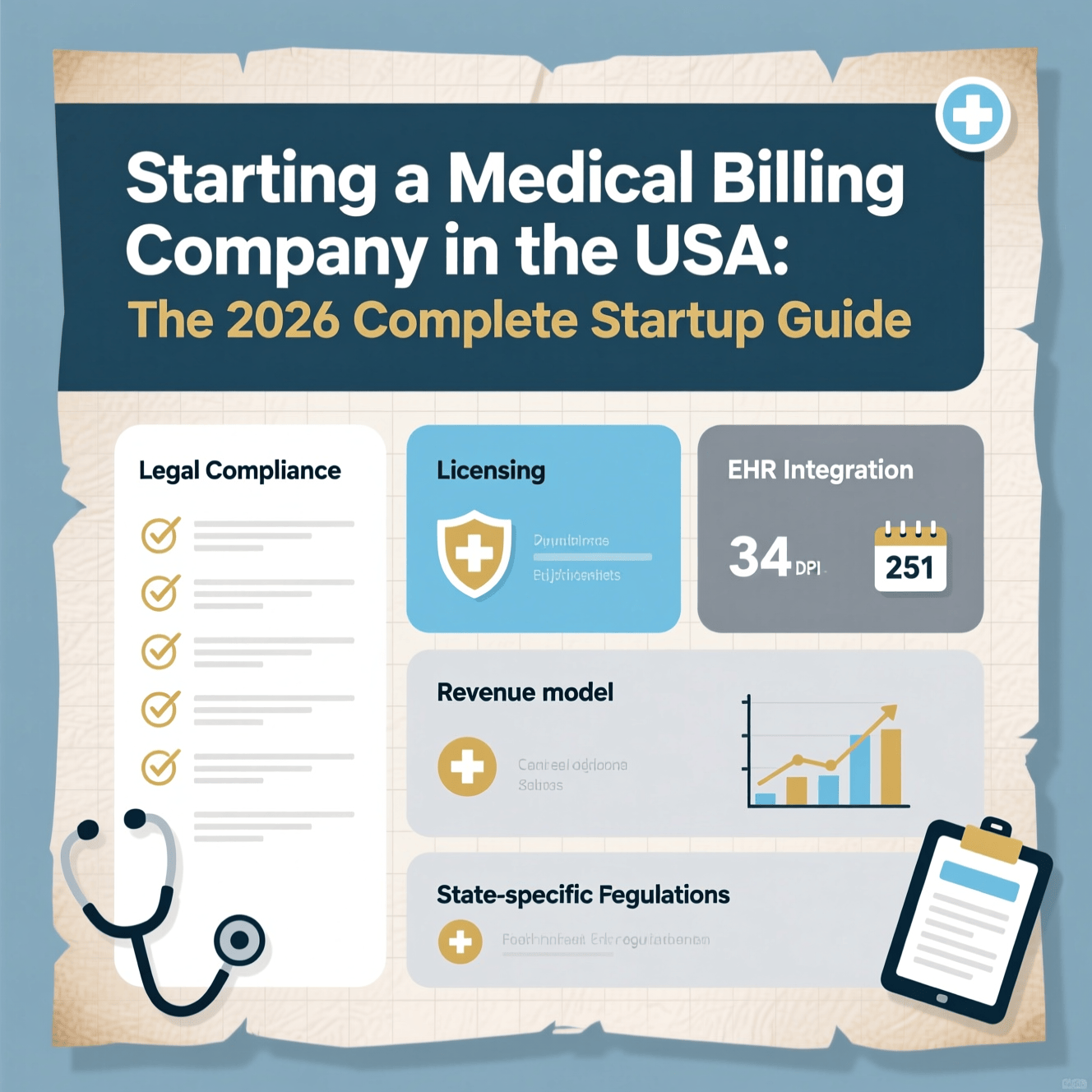
Starting a Medical Billing Company in the USA: The 2026 Complete Startup Guide
Have you ever thought about starting your own medical billing company?
You’re not alone. Every day, thousands of people search for terms like:
| Keyword | Monthly Search Volume |
|---|---|
| Medical Billing Company Near Me | 2,400 |
| Medical Billing Company | 1,900 |
| Medical Software Companies | 480 |
| Medical Equipment Companies | 880 |
| Medical Device Companies | 6,600 |
| Medical Supply Company | 4,400 |
| Medical Supply Company Near Me | 2,400 |
And here’s what’s interesting: behind all those searches are medical clinics, community medical centers, and family medical centers looking for help with their revenue cycle.
They’re overwhelmed by:
- Prior authorization denials
- Ever-changing Medicaid rules
- Complex Medicare Advantage requirements
- Staff burnout from chasing claims
They need help. And that’s where you come in.
Starting a medical billing business in 2026 is one of the smartest moves you can make. The industry is growing, the work can be done remotely, and clinics are desperate for reliable partners who understand the maze of medical insurance in America.
In this guide, Blog 4 of our series, I’m going to walk you through everything you need to know to launch your own medical billing company. Think of me as your business coach, breaking it down step by step.
Why Start a Medical Billing Business in 2026?
Let’s start with the “why.” Is this really a good time to jump in?
Yes. Absolutely.
Here’s why 2026 is the perfect moment:
1. The Administrative Burden on Clinics Is Exploding
Remember what we covered in Blog 2? Prior authorization is crushing clinics. The average physician spends 13 hours per week on prior authorization tasks . Nearly 40% of practices have staff who work exclusively on prior authorization .
Clinics are drowning. They’re looking for lifelines—and a good billing partner is exactly that.
2. Medicare Advantage Denials Are at an All-Time High
As we discussed in Blog 3, Medicare Advantage plans deny about 6.4% of prior authorization requests . But here’s the kicker: when providers appeal, they win 83% of the time .
Most clinics don’t have the time or expertise to appeal every denial. That’s where a specialized billing company adds massive value.
3. Remote Work Is Here to Stay
You don’t need a fancy office. You don’t need to be in the same city as your clients. Medical billing can be done entirely remotely with cloud-based software. This dramatically lowers your startup costs.
4. Recurring Revenue = Financial Stability
Medical billing isn’t project-based. You get paid a percentage of what you collect for your clients, typically 4–8%. Once you onboard a client, you have predictable, recurring revenue every single month.
5. Low Barrier to Entry
Compared to starting a restaurant ($175K–$700K) or a retail store ($50K–$150K), a medical billing business is incredibly affordable. We’ll break down the exact numbers in a moment.
6. High Profit Margins
Once you have a few clients, your margins can reach 50–70% . The work scales beautifully—adding a new client doesn’t require doubling your overhead.
How Much Does It Cost to Start a Medical Billing Business?
This is the question everyone asks. And the answer might surprise you.
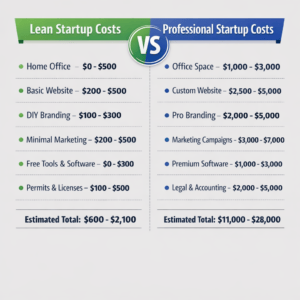
You can launch a legitimate, professional medical billing company for $5,000 to $15,000.
Let me break that down for you.
Complete Startup Cost Breakdown
Here’s a realistic budget based on two scenarios: a lean startup (doing most things yourself) and a professional startup (investing in software and support).
| Expense Category | Lean Startup | Professional Startup | Notes |
|---|---|---|---|
| Certification & Training | $500–$1,000 | $1,500–$3,000 | CPB (AAPC), CMRS (AMBA), or CBCS |
| Billing Software | $1,500–$2,500/year | $3,000–$5,000/year | Kareo, AdvancedMD, Tebra, etc. |
| Computer & Equipment | $1,000–$2,000 | $2,000–$3,000 | Reliable laptop, dual monitors, printer |
| High-Speed Internet | $600/year | $600/year | Non-negotiable—must be reliable |
| Phone System | $200/year | $500/year | VoIP system (RingCentral, Nextiva) |
| Website & Domain | $100–$300/year | $500–$1,500/year | Professional website with HIPAA compliance info |
| Legal Formation (LLC) | $200–$500 | $500–$1,000 | State filing fees + registered agent |
| HIPAA Compliance | $200–$500 | $1,000–$2,000 | Training, BAAs, policies, potential consultant |
| Insurance (E&O) | $500–$800/year | $800–$1,200/year | Errors & omissions insurance |
| Marketing & Branding | $500–$1,000 | $2,000–$5,000 | Logo, business cards, initial outreach |
| Operating Reserves | $2,000–$5,000 | $5,000–$10,000 | 3–6 months of personal/business expenses |
| TOTAL | $5,200–$9,900 | $9,700–$18,300 |
The Realistic Sweet Spot: Most successful startups land somewhere in the middle—around $7,000–$12,000 to launch with confidence.
Do You Need Certification? (CPB, CMRS, and More)
Short answer: Yes, you absolutely should get certified.
Long answer: Here’s why it matters and which certifications to consider.
Why Certification Matters
- Credibility with Clients: When you approach a medical clinic and say you’re certified, you immediately stand out from the 80% of billers who aren’t.
- Payer Knowledge: Certification exams test you on real-world scenarios, coding, denials, appeals, compliance. You’ll actually learn what you need to know.
- Higher Rates: Certified billers can charge 10–20% more than non-certified billers.
- Network: Joining a certifying body gives you access to forums, continuing education, and job boards.
Top Certifications for Medical Billers
| Certification | Issuing Body | Cost | Details |
|---|---|---|---|
| CPB (Certified Professional Biller) | AAPC | ~$400 exam + membership | Most recognized; focuses on entire revenue cycle |
| CMRS (Certified Medical Reimbursement Specialist) | AMBA | ~$1,500 (includes course) | Excellent for hands-on training |
| CBCS (Certified Billing and Coding Specialist) | NHA | ~$250–$300 | Entry-level; good starting point |
| CPC (Certified Professional Coder) | AAPC | ~$400 exam + membership | More coding-focused, still valuable |
Official Resource: Learn more about CPB certification at AAPC.com/certification/cpb. For CMRS, visit AMBAbill.com/cmrs-certification.
Do You Need a Degree?
No. A degree is not required. Certification + experience (even simulated experience from training) is what matters.
Software & Technology: What You Actually Need
Your software stack is the heart of your business. You can’t do medical billing without reliable, HIPAA-compliant tools.
Core Billing Software
These platforms handle claims submission, payment posting, reporting, and often include practice management features.
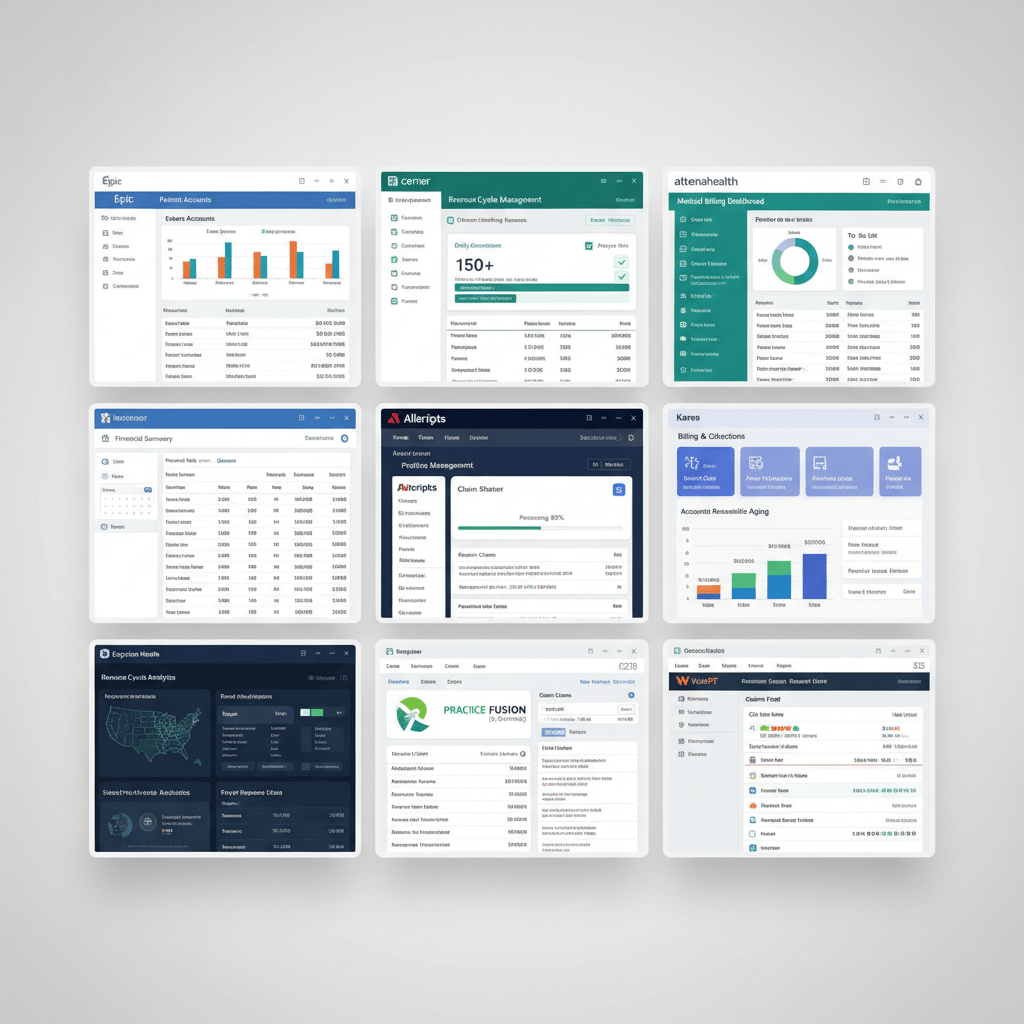
| Software | Best For | Starting Price | Notes |
|---|---|---|---|
| Kareo | Small to mid-sized practices | ~$80–$150/month | User-friendly, great for startups |
| AdvancedMD | Growing practices | ~$300–$500/month | More features, steeper learning curve |
| Tebra (formerly Kareo + PatientPop) | Integrated marketing + billing | ~$150–$250/month | Good if clients also need patient engagement |
| CollaborateMD | Budget-conscious startups | ~$70–$100/month | Simple, functional, less flashy |
| AthenaCollector | Larger practices | Custom quote | Enterprise-level, expensive for startups |
Additional Tools You’ll Need
| Tool Type | Examples | Purpose |
|---|---|---|
| Clearinghouse | Office Ally, Change Healthcare, ZirMed | Submits claims to payers |
| Phone System | RingCentral, Nextiva, Zoom Phone | Professional, HIPAA-aware voicemail |
| Email & Calendar | Google Workspace, Microsoft 365 | Professional email (yourname@company.com) |
| Document Storage | Dropbox Business, Box, SharePoint | Secure sharing of documents with clients |
| Accounting | QuickBooks Online, FreshBooks | Track income, expenses, taxes |
| CRM | HubSpot, Salesforce (small business) | Track prospects and clients |
| Project Management | Asana, Trello, ClickUp | Manage client tasks and deadlines |
Hardware Requirements
- Laptop/Desktop: Reliable machine, preferably with dual monitors (you’ll thank me later)
- Printer/Scanner: For occasional paper documents (though aim for paperless)
- Backup Internet: Hotspot or secondary ISP, downtime costs you money
- UPS Battery Backup: Protect against power outages
Legal Setup: LLC, HIPAA Compliance & Insurance
You’re handling sensitive patient data and client revenue. You need to do this right.
Business Structure
LLC (Limited Liability Company) is the standard choice for medical billing startups.
- Protects personal assets if something goes wrong
- Pass-through taxation (no corporate tax)
- Relatively easy and inexpensive to set up
Steps to Form Your LLC:
- Choose your state (usually where you live)
- Choose a business name (check availability)
- File Articles of Organization (online, $50–$500 depending on state)
- Get an EIN from the IRS (free, do it immediately)
- Open a business bank account
Official Resource: SBA.gov/business-guide has step-by-step instructions for all 50 states.
HIPAA Compliance: Non-Negotiable
If you handle protected health information (PHI), you must be HIPAA compliant. This isn’t optional—it’s the law.
Your HIPAA To-Do List:
✅ Sign a Business Associate Agreement (BAA) with every client. This is a contract stating you’ll protect their data.
✅ Ensure all software vendors sign BAAs. Before you pay for any tool, confirm they’ll sign one.
✅ Create HIPAA policies and procedures. Written documents covering how you handle data, breach response, etc.
✅ Train yourself (and any staff) on HIPAA. Annual training is required.
✅ Use secure technology. Encrypted email, secure file sharing, strong passwords.
✅ Conduct a risk assessment. Identify vulnerabilities in your setup.
Official Resource: HHS.gov/hipaa/for-professionals has all the official guidance you need.
Insurance: Protect Yourself
| Insurance Type | Why You Need It | Estimated Cost |
|---|---|---|
| Errors & Omissions (E&O) | Covers mistakes in your work (e.g., missed filing deadline) | $500–$1,200/year |
| General Liability | Covers basic business risks (slip and fall, etc.) | $300–$600/year |
| Cyber Liability | Covers data breaches and cyberattacks | $500–$1,500/year |
Many insurers offer bundled packages for healthcare businesses. Start with E&O, it’s the most critical for a billing company.
The 90-Day Launch Roadmap
Let’s get practical. Here’s exactly what you should do in your first 90 days.
Days 1–30: Foundation
| Week | Tasks |
|---|---|
| Week 1 | Research certifications; choose which one to pursue. Draft business name ideas. |
| Week 2 | Enroll in certification course or schedule exam. Form LLC. Get EIN. |
| Week 3 | Open business bank account. Set up basic website (even simple placeholder). |
| Week 4 | Research software options. Sign up for demos. Draft HIPAA policies. |
Days 31–60: Building
| Week | Tasks |
|---|---|
| Week 5 | Take certification exam (if ready). Choose and purchase software. |
| Week 6 | Configure software. Set up phone system and professional email. |
| Week 7 | Finalize HIPAA policies. Get E&O insurance quotes and purchase. |
| Week 8 | Create marketing materials: one-page flyer, email template, LinkedIn profile. |
Days 61–90: Launch & First Clients
| Week | Tasks |
|---|---|
| Week 9 | Start outreach to your network. Post on LinkedIn that you’re launching. |
| Week 10 | Reach out to 10–20 local medical clinics. Offer a free audit of their billing. |
| Week 11 | Follow up with warm leads. Refine your pitch based on feedback. |
| Week 12 | Sign your first client (even if small). Deliver exceptional service. |
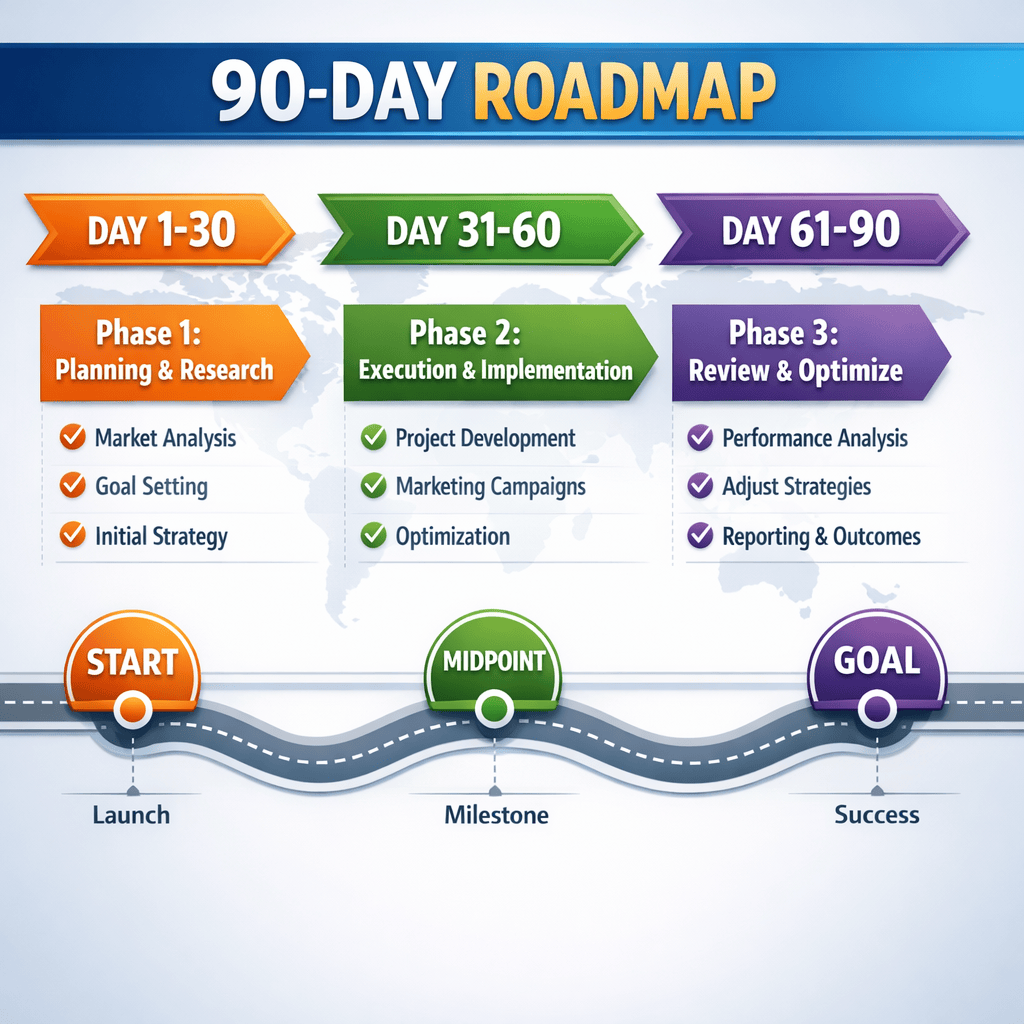
ALT Text: medical billing company 90-day launch roadmap from certification to first client
How Medical Billing Revenue Works (And What You Can Earn)
Let’s talk money—because that’s why you’re here.
The Revenue Model
Medical billing companies typically charge a percentage of what they collect for their clients.
- Typical range: 4% to 8% of total collections
- Average for small practices: 5% to 7%
- Specialty practices (higher complexity) can command 8% to 10%
Example:
If you manage billing for a small internal medicine clinic that collects $200,000 per month:
- At 5% = $10,000/month revenue
- At 6% = $12,000/month revenue
- At 7% = $14,000/month revenue
What You Can Earn Realistically
| Stage | Clients | Monthly Collections Managed | Your Revenue (at 6%) |
|---|---|---|---|
| Year 1 (Part-time) | 2–3 small practices | $100K–$200K | $6,000–$12,000 |
| Year 2 (Full-time) | 5–8 practices | $400K–$800K | $24,000–$48,000 |
| Year 3 (Established) | 10–15 practices | $1M–$2M | $60,000–$120,000 |
| Scaled Agency | 20+ practices | $3M+ | $180,000+ |
Note: These are revenue numbers, not profit. Your profit margin will be 50–70% after software, contractor costs, and expenses.
Other Pricing Models
Some billers use alternative models:
- Per-claim fee: $2–$5 per claim submitted
- Hourly rate: $25–$50/hour for consulting or project work
- Flat monthly fee: $500–$2,000 per practice depending on volume
The percentage model is most common and aligns your incentives with the client’s success.
Finding Your First Clients: Proven Strategies That Work
This is where most aspiring entrepreneurs freeze. “How do I actually find clients?”
Here are strategies that work—tested by hundreds of successful billing companies.
1. Leverage Your Network
Start with who you know:
- Former colleagues in healthcare
- Friends who work at medical clinics
- Your own doctors, dentists, or therapists
- Local healthcare Facebook groups
Script: “Hey, I’ve started a medical billing company. Do you know any practice owners who might need help with denials or cash flow?”
2. Offer a Free “Billing Audit”
This is a low-risk way to get in the door.
- Offer to review 10–20 denied claims for free
- Identify patterns (e.g., “You’re getting denied for missing prior auths on ADHD meds”)
- Show them exactly how much money they’re leaving on the table
- Then propose your solution
3. Target Niches First
Don’t try to be everything to everyone. Pick a niche where you can become an expert:
- Internal medicine (you already know this from Blog 1!)
- Pediatrics
- Mental health (anxiety, depression, ADHD meds—Blog 2)
- Dental (different codes, but less competition)
- Physical therapy
4. Use LinkedIn Strategically
- Optimize your profile: “Medical Billing Specialist | Helping [Niche] Practices Increase Revenue”
- Post content about denial trends, Medicare Advantage changes, etc.
- Connect with practice managers and clinic owners
- Send personalized connection requests, not spam
5. Partner with Medical Software Companies
Remember the keyword medical software companies (480 searches/month)? These are potential partners.
- Reach out to local resellers or consultants
- Offer to be their recommended billing partner
- They get a trusted referral option; you get qualified leads
6. Attend Local Healthcare Events
- Chamber of commerce meetings
- Local medical society events
- Healthcare networking groups
- Vendor fairs at hospitals
7. Direct Mail (Yes, It Still Works)
A simple postcard to 50 local clinics can yield 1–2 meetings. Include:
- Your niche (e.g., “Internal Medicine Billing Specialists”)
- A specific pain point (“Stop losing money on prior authorization denials”)
- Your phone number and website
Common Mistakes That Kill New Billing Businesses
Learn from others’ failures so you don’t have to make them yourself.
Mistake #1: Working Without a Contract
The Fix: Always have a signed services agreement. Include scope of work, fees, termination terms, and HIPAA BAA.
Mistake #2: Taking Any Client, No Matter What
The Fix: Be selective. A chaotic practice with terrible records will drain your time. It’s okay to say no.
Mistake #3: Underpricing Your Services
The Fix: You’re providing a specialized service that directly impacts a clinic’s revenue. Charge accordingly. 5–7% is standard.
Mistake #4: Ignoring Denial Management
The Fix: Don’t just submit claims and move on. Track denials, appeal when appropriate (remember, 83% success rate!), and report trends to clients.
Mistake #5: Poor Communication
The Fix: Send monthly reports. Be responsive to emails and calls. Your clients need to trust you.
Mistake #6: Not Staying Current
The Fix: Medical billing changes constantly. New codes. New payer rules. New regulations (like the 2026 CMS changes). Invest in continuing education.
Mistake #7: Skipping HIPAA Compliance
The Fix: Don’t cut corners. One breach can destroy your business. Do it right from day one.
Should You Franchise or Go Independent?
Some entrepreneurs consider buying a medical billing franchise. Let’s compare.
| Factor | Independent Startup | Franchise |
|---|---|---|
| Initial Cost | $5K–$15K | $30K–$75K+ |
| Royalties | None | 8–12% of revenue ongoing |
| Brand Recognition | None | Established name |
| Training | You create it | Structured program |
| Software | You choose | Usually provided |
| Clients | You find them | Some leads, but still your job |
| Flexibility | Complete | Must follow franchise rules |
| Profit Potential | Higher (no royalties) | Lower due to fees |
Verdict: For most people, starting independent makes more sense. Franchises can work if you have capital and want a proven playbook, but the ongoing fees eat into your margins significantly.
Scaling Beyond the Solo Operator
Once you have 5–10 clients, you’ll likely be working full-time. To grow further, you need to scale.
Step 1: Hire Virtual Assistants
- Start with administrative tasks
- Train them on basic claim submission
- Cost: $5–$15/hour
Step 2: Bring on Contract Billers
- Hire experienced billers on a contract basis
- Pay them per claim or hourly
- You keep the client relationship and the margin
Step 3: Add Specialized Services
- Prior authorization management (remember Blog 2?)
- Credentialing services
- Coding audits
- Denial appeal writing
Step 4: Build a Real Agency
- Hire a manager so you can step back
- Focus on sales and strategy
- Target larger practices and groups
Step 5: Sell or Exit
- Established billing companies sell for 2–4x annual revenue
- Build with an exit in mind from day one
Frequently Asked Questions
Final Thoughts: Your Launchpad Awaits
Let’s bring this home.
Starting a medical billing company in 2026 is one of the smartest business moves you can make:
- Low startup costs ($5K–$15K)
- High profit margins (50–70%)
- Recurring revenue (stickiness is high)
- Growing demand (clinics are overwhelmed)
- Remote-friendly (work from anywhere)
- Scalable (from solo to agency)
You’ve already done the hard part; you’ve read through all four blogs in this series. You understand:
- How internal medicine billing services work (Blog 1)
- Why medication prior authorization is a major pain point (Blog 2)
- The differences between Medicaid, Medicare Advantage, and commercial insurance (Blog 3)
Now it’s time to take action.
Your 7-Step Action Plan
Here’s exactly what to do next:
- Choose your certification (CPB or CMRS recommended) and enroll
- Form your LLC and get your EIN this week
- Research software and sign up for demos
- Create a simple website (even a placeholder)
- Start drafting your HIPAA policies
- Begin networking—tell everyone what you’re doing
- Set a launch date 90 days from today
Key External Resources
| Resource | Description | Link |
|---|---|---|
| AAPC (CPB Certification) | Certified Professional Biller | aapc.com/certification/cpb |
| AMBA (CMRS Certification) | Certified Medical Reimbursement Specialist | ambabill.com/cmrs-certification |
| HHS HIPAA for Professionals | Official HIPAA guidance | hhs.gov/hipaa/for-professionals |
| SBA Business Guide | Start a business step-by-step | sba.gov/business-guide |
| Software Advice | Compare medical billing software | softwareadvice.com/medical-billing |
| BLS Medical Records Specialists | Industry outlook and salary data | bls.gov/ooh/healthcare/medical-records-and-health-information-technicians.htm |
Ready to Master Medical Billing?
This guide is Blog 4 in our 4-part series on medical billing and revenue cycle management.
Blog 1 (Main Pillar): [Internal Medicine Billing Services in the USA: 2026 Revenue, Medicaid & Patient RCM Growth Guide]
Blog 2: [Medication Prior Authorization: The Complete 2026 Guide for Medical Clinics]
Blog 3: Medicaid, Medicare Advantage & Medical Insurance Billing in the USA: The 2026 Payer Playbook]