
Medicaid, Medicare Advantage & Medical Insurance Billing in the USA: The 2026 Payer Playbook
If you manage a medical clinic, operate a community medical center, or run a family medical center, you deal with multiple payers every single day. And if you’re like most providers, keeping up with the rules for each one feels like juggling chainsaws.
Let’s look at what people are actually searching for right now:
| Medical Insurance Keyword | Monthly Search Volume |
|---|---|
| Medicare Advantage Plans | 60,500 |
| Medicare Advantage | 40,500 |
| Health Insurance Companies | 33,100 |
| Health Insurance Quotes | 14,800 |
| Family Health Insurance | 8,100 |
| Individual Health Plans | 8,100 |
| How To Get Dental Implants Covered By Medical Insurance | 2,400 |
| How much is medical insurance per month | 1,600 |
| How Much Is Medical Insurance | 1,300 |
| High Deductible Health Plans | 1,300 |
| How To Get Medical Insurance | 1,000 |
| Is Medical Insurance Tax Deductible | 880 |
| How Much Does Medical Insurance Cost | 590 |
| How To Apply For Medical Insurance | 480 |
| Does Insurance Cover Medical Marijuana | 90 |
And when it comes to specific medical center searches, the volume is massive:
| Medical Center Keyword | Monthly Search Volume |
|---|---|
| Beth Israel Deaconess Medical Center | 40,500 |
| Sanitas Medical Center | 40,500 |
| Boston Medical Center | 33,100 |
| Tufts Medical Center | 33,100 |
| Valley Medical Center | 33,100 |
| Animal Medical Center | 33,100 |
| Lexington Medical Center | 27,100 |
| Loma Linda University Medical Center | 22,200 |
| Mercy Medical Center | 22,200 |
| Cedars Sinai Medical Center | 22,200 |
| VA Medical Center | 18,100 |
| Community Medical Center | 18,100 |
| Hackensack University Medical Center | 12,100 |
| Family Medical Center | 9,900 |
Behind every patient visit and every prescription is a complex web of payers, rules, and requirements. Medicaid is different from Medicare Advantage, which is different from commercial health insurance companies. And if you don’t understand the differences, you leave money on the table.
In this guide, we’re going to break down the payer types in the USA, Medicaid, Medicare Advantage, and commercial insurance, with a special focus on the massive regulatory changes taking effect in 2026. Think of me as your friendly tutor walking you through the maze.
The Big Picture: Why Payer Mix Matters
Before we dive into the details, let’s understand why this matters for your practice.
Your payer mix, the percentage of patients covered by each type of insurance, directly impacts your:
- Reimbursement rates (Medicaid typically pays less than Medicare, which pays less than commercial insurance)
- Administrative burden (prior authorization requirements vary wildly by payer)
- Denial rates (some payers deny claims more frequently than others)
- Cash flow (how quickly you get paid)
- Compliance risk (each payer has its own rules and audit requirements)
According to the Centers for Medicare & Medicaid Services (CMS) , Medicare and Medicaid together cover over 140 million Americans. That’s more than one-third of the U.S. population. Understanding these programs isn’t optional, it’s essential for survival.
Medicaid: The State-by-State Puzzle
Medicaid is a joint federal and state program that provides health coverage to low-income adults, children, pregnant women, elderly adults, and people with disabilities. It’s administered by states within federal guidelines, which means the rules vary significantly depending on where you practice.
Key Medicaid Statistics
- Total enrollment: Approximately 85 million Americans (as of 2024)
- Federal baseline: All states must cover certain mandatory populations and services
- State flexibility: States can choose to expand coverage, add benefits, and set provider rates
- Funding: Federal government matches state spending based on each state’s Federal Medical Assistance Percentage (FMAP)
How Medicaid Works for Providers
If you participate in Medicaid, here’s what you need to know:
1. State-Specific Formularies
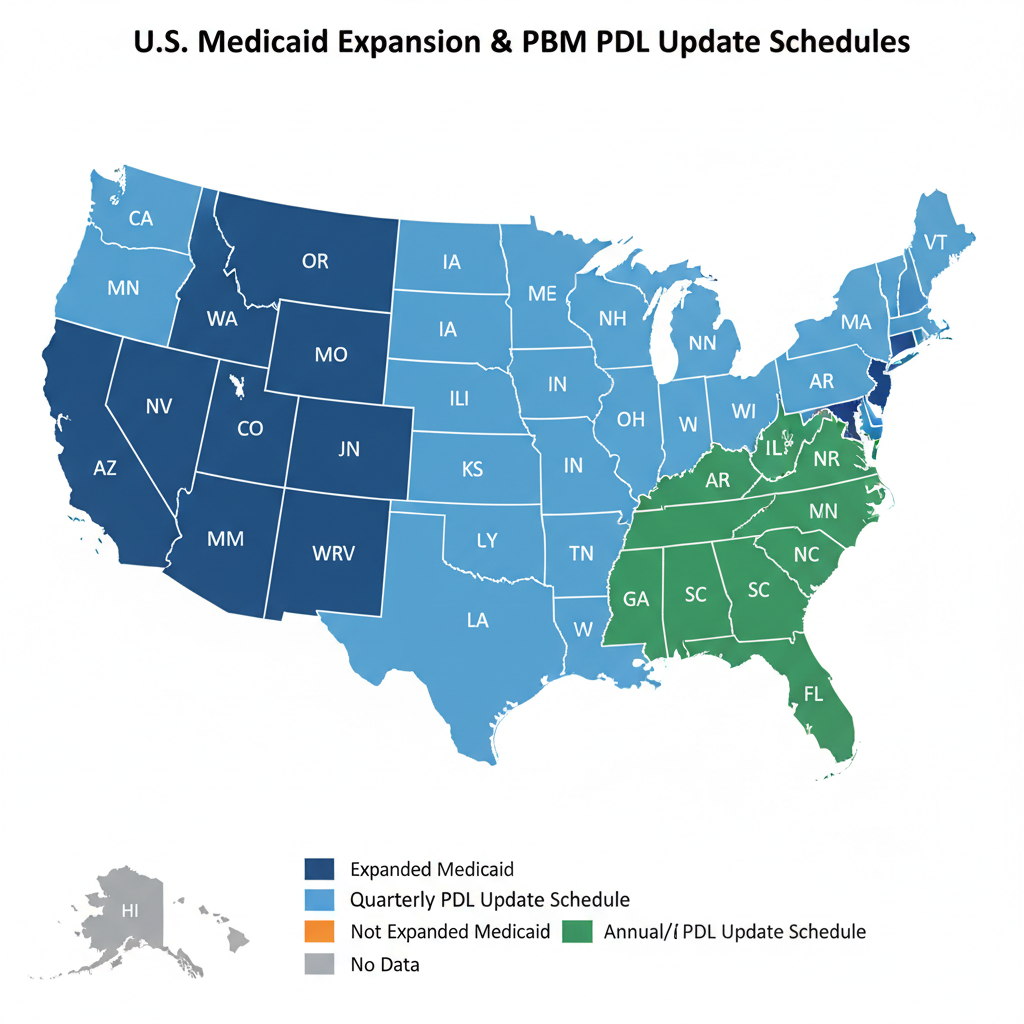
Each state maintains its own Medicaid Preferred Drug List (PDL) . Drugs are designated as “preferred” or “non-preferred”:
- Preferred drugs: Available without prior authorization
- Non-preferred drugs: Require prior authorization
- Clinical prior authorization: Some drugs require additional clinical documentation regardless of PDL status
For example, the Texas Medicaid Preferred Drug List is updated twice annually. The January 2026 update includes changes approved at the July and October 2025 Drug Utilization Review Board meetings. Drugs like Fidaxomicin (oral) were designated as “Non-Preferred,” while Dificid (oral) moved to “Preferred” status.
Official Resource: Check your state’s specific Medicaid formulary at Medicaid.gov. For Texas providers, the Texas Vendor Drug Program publishes the official PDL .
2. Managed Care vs. Fee-for-Service
Most Medicaid beneficiaries are enrolled in Medicaid Managed Care Organizations (MCOs), private insurance companies that contract with the state to provide coverage. This means:
- You may need to credential with multiple MCOs
- Each MCO has its own prior authorization requirements
- Reimbursement rates vary by MCO and by state
About 70% of Medicaid beneficiaries are enrolled in managed care plans, which means you’re dealing with private insurers even for Medicaid patients.
3. 2026 Medicaid Updates
Several states are implementing changes to their Medicaid programs in 2026:
- Texas: The semi-annual Preferred Drug List updates are published in two parts—January 1 and January 30, 2026 . The Jan. 30, 2026, PDL includes formulary and prior authorization information, notations for drugs requiring clinical prior authorization, and the review schedule .
- Colorado: House Bill 25-1213, effective January 1, 2026, requires managed care organizations to issue payment to contracted providers within one year after provider rates are updated for claims that must be reprocessed. The bill also requires the state department to follow CMS standards when updating rules.
- Florida: Senate Bill 152, effective July 1, 2026, addresses Medicaid provider networks and requires managed care plans and providers to negotiate mutually acceptable rates .
4. The 72-Hour Emergency Rule
All Medicaid programs have a 72-hour emergency override provision. If a patient needs a non-preferred drug immediately, you can override the prior authorization requirement for a 72-hour supply. This is critical for emergency situations, make sure your staff knows how to access it.
Medicare Advantage: The Private Option
Medicare Advantage (also known as Medicare Part C) is an alternative to Original Medicare. Private insurance companies approved by Medicare (like Humana, UnitedHealthcare, Blue Cross Blue Shield) offer these plans, and they must cover everything Original Medicare covers—but they can have different rules, costs, and restrictions.
Key Medicare Advantage Statistics
- Total enrollment: Over 30 million Americans (about half of all Medicare beneficiaries)
- Plan types: HMO, PPO, PFFS, and SNPs (Special Needs Plans)
- Market concentration: A handful of large insurers dominate the market
- Growth: Enrollment has more than doubled in the last decade
How Medicare Advantage Differs from Original Medicare
Here’s where it gets tricky for providers:
| Feature | Original Medicare | Medicare Advantage |
|---|---|---|
| Administration | Federal government | Private insurers |
| Network | Any provider who accepts Medicare | Usually restricted to plan network |
| Prior Authorization | Minimal (mostly for durable equipment) | Extensive—plans can require PA for many services |
| Cost Sharing | Standardized (Part A deductible, Part B premium) | Varies by plan |
| Extra Benefits | None | Often includes dental, vision, hearing, fitness |
The Prior Authorization Gap: This is the biggest operational difference. Original Medicare rarely requires prior authorization. Medicare Advantage plans, by contrast, deny about 6.4% of prior authorization requests, and when providers appeal, they win 83% of the time.
The 2026 Medicare Advantage Overhaul
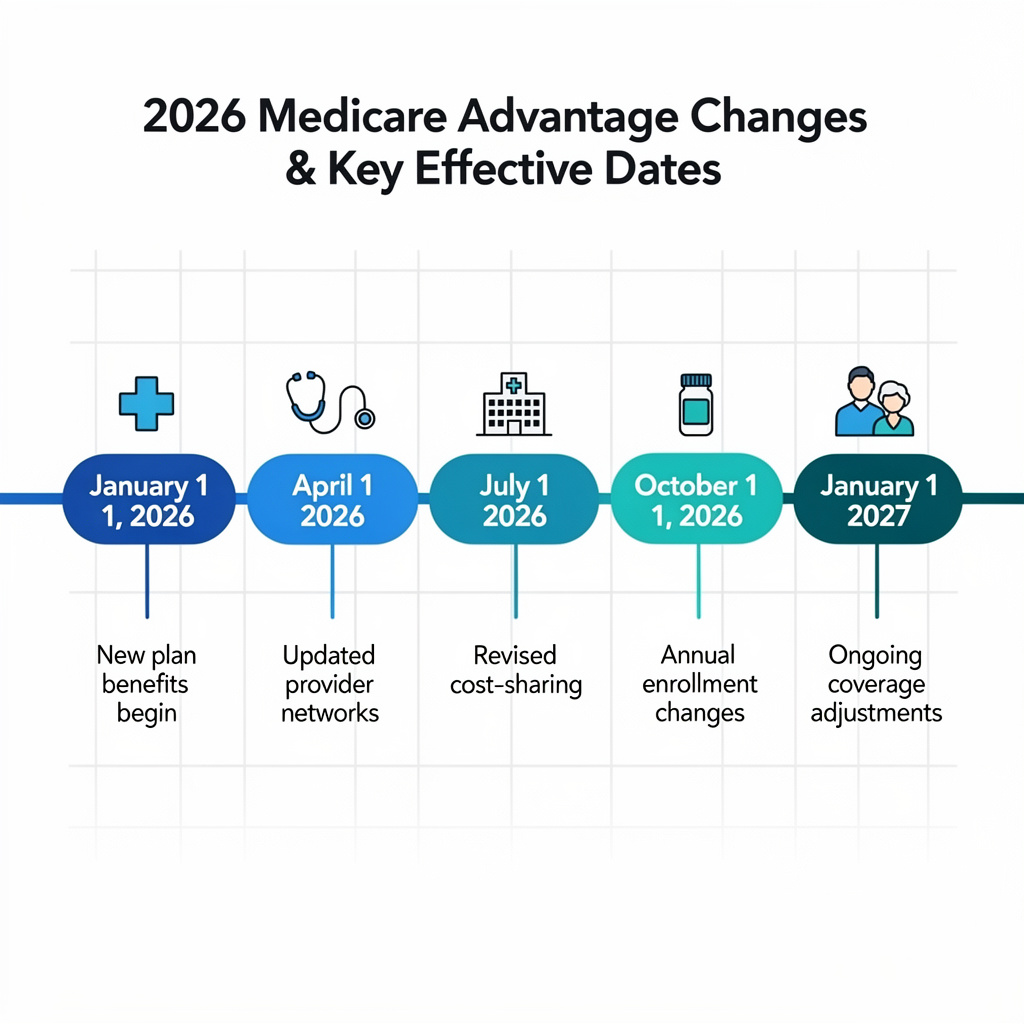
2026 is a landmark year for Medicare Advantage. The CMS Contract Year 2026 Final Rule (CMS-4208-F) introduces major changes that affect every provider who sees Medicare Advantage patients .
Here’s what you need to know:
1. No More Retroactive Denials
CMS is finalizing a provision that restricts plans from reopening and modifying a previously approved inpatient hospital admission . Under this rule, MA plans can only reopen an approved admission for obvious error or fraud .
What this means for you: If a plan approves an inpatient admission, they have to honor it. No more denials weeks later based on “new information.”
2. Closing Appeals Loopholes
CMS is strengthening the appeals process in several ways :
- Clarifying that “organization determinations” include plan decisions made while the enrollee is receiving services. This ensures that appeals rules apply regardless of when the decision is made .
- Requiring plans to notify both the provider and the enrollee whenever a provider submits a request on behalf of an enrollee .
- Clarifying that enrollees aren’t liable for payment until the MA organization makes a decision on a contracted provider’s claim .
3. Provider Directory Data Requirements
MA plans must now submit provider directory data to CMS for publication in the Medicare Plan Finder . This includes:
- Provider names and locations
- Specialty information
- Whether accepting new patients
The data is due to CMS by January 1, 2026 . Plans are responsible for working with providers to update data as necessary .
4. Integrated ID Cards for Dual Eligibles
For beneficiaries enrolled in both Medicare and Medicaid (“dual eligibles”), CMS is requiring integrated member identification cards that serve for both programs . This requirement is applicable beginning October 1, 2026, for contract year 2027 .
5. What’s NOT in the Final Rule
Several proposed provisions were not finalized in the 2026 rule :
- Internal coverage criteria: CMS did not finalize requirements for plans to make internal coverage criteria public or ensure they don’t deny care covered by traditional Medicare.
- Service-level data: CMS did not require plans to collect prior authorization data at the service level (aggregate data only).
- AI guardrails: The proposed “Guardrails for Artificial Intelligence” were not finalized, though CMS acknowledged “broad interest in regulation of AI” and may address it in future rulemaking .
- Anti-obesity medications: CMS did not finalize coverage for anti-obesity medications under Part D .
Commercial Health Insurance: The Private Market
Commercial health insurance companies include both national carriers (UnitedHealthcare, Anthem, Aetna, Cigna) and regional plans. These plans cover:
- Employer-sponsored insurance (the largest segment)
- Individual and family plans purchased through exchanges
- Student health plans
Key Commercial Insurance Statistics
- Market size: Over 180 million Americans have commercial coverage
- Employer-sponsored: About 155 million get coverage through work
- Exchange plans: About 15-20 million enrolled through ACA marketplaces
- Plan types: HMO, PPO, EPO, POS, and high-deductible health plans with HSAs
Commercial Insurance Trends for 2026
1. Prior Authorization Reform Commitments
Nearly 50 major insurers representing 270 million Americans have made voluntary commitments to streamline prior authorization . The Blue Cross Blue Shield Association and AHIP are leading this initiative, which includes:
- Honoring existing authorizations for 90 days when patients switch plans
- Clearer denial explanations and appeal guidance
- Working toward real-time electronic approvals by 2027
2. Code-Specific Prior Authorization Changes
Insurers regularly update their prior authorization requirements based on:
- Utilization management assessments
- CPT® code changes from the American Medical Association
- HCPCS code changes from CMS
For example, Anthem Blue Cross in California announced prior authorization requirement changes effective January 1, 2026, for Medicare Advantage members, including specific codes for oncology testing, nasal valve repair, vascular embolization, and electrophysiologic evaluation .
3. Medical Loss Ratio (MLR) Requirements
Under the ACA, commercial insurers must spend at least:
- 80% of premiums on medical care and quality improvement (individual and small group markets)
- 85% (large group market)
If they don’t, they must issue rebates to customers. This creates pressure to control administrative costs—including prior authorization processes.
Payer Comparison: At-a-Glance Reference
| Aspect | Medicaid | Medicare Advantage | Commercial Insurance |
|---|---|---|---|
| Covered Population | Low-income individuals, families, disabled | Seniors (65+), some disabled | Working adults and families |
| Enrollment | ~85 million | ~30 million | ~180 million |
| Administration | State agencies (with federal oversight) | Private insurers under CMS contract | Private insurers |
| Network Requirements | Varies by state MCO | Usually restricted | Varies by plan type |
| Prior Authorization | Extensive for non-preferred drugs | Very extensive—leading cause of denials | Varies widely by insurer and plan |
| Key 2026 Changes | State PDL updates, billing manual requirements | No retroactive denials, appeals reforms, integrated ID cards | Industry commitments to streamline PA |
| Payment Speed | Slow—varies by state | Moderate | Fastest (usually) |
| Denial Rate | High for prior auths (up to 25% in some states) | ~6.4% for prior auths | Varies |
| Appeal Success Rate | Varies by state | 83% when appealed | Varies |
How to Verify Patient Coverage (Before You Provide Services)
This is the single most important step to prevent denials. Always check eligibility and benefits before rendering services .
Here’s your verification checklist:
✅ Confirm patient identity and plan details — Use the member ID card
✅ Verify eligibility for the date of service — Coverage can change monthly
✅ Check plan type — HMO, PPO, POS? Does it require referrals?
✅ Verify provider network status — Are you in-network for this specific plan?
✅ Check benefit limitations — Visit limits, session limits, dollar maximums
✅ Verify cost-sharing — Copay, deductible, coinsurance for the service
✅ Check prior authorization requirements — For the specific procedure or medication
✅ Confirm authorization vendor — Some plans use third-party vendors (like EviCore or Carelon)
Important: Checking eligibility and/or benefit information and/or obtaining prior authorization is not a guarantee of payment. Benefits will be determined once a claim is received and will be based upon, among other things, the member’s eligibility and the terms of the member’s coverage contract.
Prior Authorization: The Payer-by-Payer Reality
Medicare Advantage Prior Authorization
- Volume: Over 50 million prior authorization requests processed annually
- Denial rate: ~6.4%
- Appeal success rate: 83%
- Key vendors: Many plans use independent vendors like EviCore healthcare for utilization management
2026 Change: CMS now requires that prior authorization policies be appropriately applied, though they did not finalize requirements for plans to make internal coverage criteria public .
Medicaid Prior Authorization
- Volume: Over 17 million prior authorization requests to the largest 115 Medicaid MCOs
- Denial rate: Up to 25% in some plans
- Key challenge: Strict formulary compliance—non-preferred drugs require PA
- Emergency override: 72-hour supply available without PA
2026 Change: Under the CMS Interoperability and Prior Authorization Final Rule , Medicaid programs must now decide standard requests within 7 calendar days (effective January 1, 2026) .
Commercial Prior Authorization
- Volume: Hundreds of millions of requests annually
- Denial rate: Varies widely by insurer and plan
- Key challenge: Each insurer has its own rules, forms, and vendors
- Trend: Industry commitments to streamline and standardize
The 2026 Compliance Deadlines You Can’t Miss
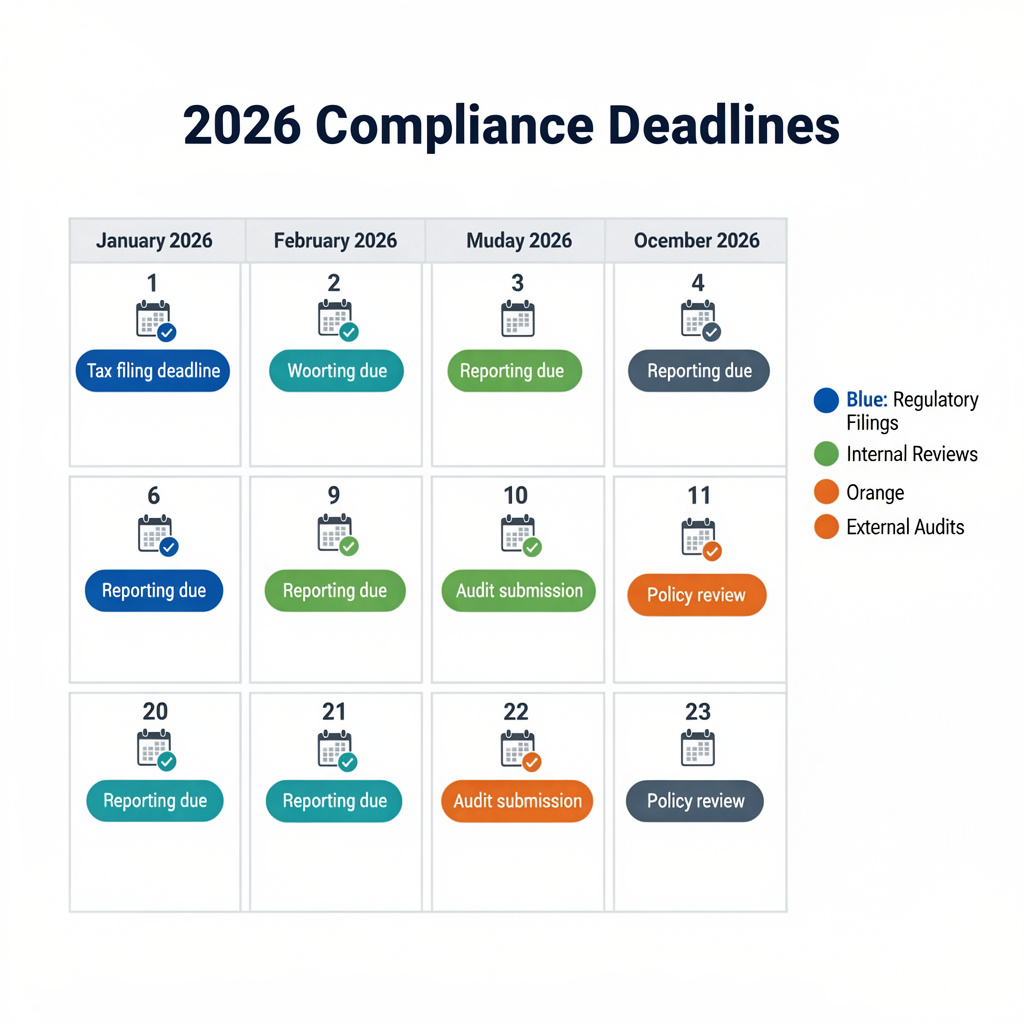
| Date | Requirement | Applies To |
|---|---|---|
| January 1, 2026 | Standard prior authorization decisions within 7 calendar days (expedited within 72 hours) | Medicare Advantage, Medicaid, CHIP, QHPs |
| January 1, 2026 | Texas Medicaid PDL Part 1 updates effective | Texas Medicaid |
| January 1, 2026 | MA provider directory data due to CMS | Medicare Advantage plans |
| January 30, 2026 | Texas Medicaid PDL Part 2 updates effective | Texas Medicaid |
| March 31, 2026 | First public reporting of prior authorization metrics | Medicare Advantage, Medicaid, CHIP, QHPs |
| July 1, 2026 | Florida Medicaid provider network changes effective | Florida Medicaid |
| October 1, 2026 | Integrated ID cards for dual eligibles (for CY 2027) | D-SNPs |
| January 1, 2027 | 80% of electronic prior authorizations with complete documentation must be answered in real-time | Medicare Advantage, Medicaid, CHIP, QHPs |
Best Practices for Multi-Payer Success
1. Know Your Payer Mix
Run regular reports to understand what percentage of your patients come from each payer. This helps you:
- Prioritize which payer rules to master first
- Negotiate better contracts with high-volume payers
- Identify trends in denials by payer
2. Build Payer-Specific Checklists
Create quick-reference guides for your top 5-10 payers including:
- Prior authorization requirements
- Common denial reasons
- Appeal deadlines and procedures
- Contact information for provider services
3. Use Technology Wisely
Modern medical software companies offer tools that help:
- Real-time eligibility verification before the patient arrives
- Automated prior authorization submission with EHR integration
- Payer-specific rule libraries that update automatically
- Denial tracking and analytics by payer and reason
4. Train Staff on Payer Nuances
Your front desk and billing team need to understand the differences:
- Medicare Advantage requires prior auth for many services; Original Medicare doesn’t
- Medicaid PDL status changes twice yearly—check before prescribing
- Some commercial plans use third-party vendors for utilization management
5. Monitor Denial Trends Monthly
Track denials by payer and reason. If a specific payer has high denial rates:
- Request a meeting with their provider relations representative
- Consider whether continuing to accept that plan makes financial sense
- Document patterns for future contract negotiations
6. Appeal Strategically
Remember: 83% of appealed Medicare Advantage denials are overturned . Don’t accept denials as final. Build an appeal process that includes:
- Timely filing (usually 30-180 days)
- Complete documentation
- Peer-to-peer review requests when appropriate
- External review for Level 2 appeals
Real-World Payer Scenarios
Scenario A: The Medicare Advantage Denial
Situation: You admit a patient for inpatient observation. The Medicare Advantage plan approved the admission. Three weeks later, they deny the claim based on “lack of medical necessity.”
2026 Solution: Under the new CMS rule, plans can no longer reopen approved inpatient admissions except for fraud or obvious error . You can appeal citing the new regulation.
Scenario B: The Medicaid PDL Mismatch
Situation: You prescribe a brand-name medication for a Texas Medicaid patient. The pharmacy says it’s not covered.
2026 Solution: Check the Jan. 30, 2026, Texas Medicaid PDL . If the drug is “non-preferred,” you need to submit prior authorization. If it’s not on the list at all, it’s available without PA. Use the 72-hour emergency override if the patient needs it immediately .
Scenario C: The Dual Eligible Patient
Situation: A patient has both Medicare and Medicaid. You’re confused about which program covers what.
2026 Solution: Starting October 2026, dual eligibles will have integrated ID cards . For now, remember:
- Medicare is primary (pays first)
- Medicaid is secondary (covers remaining cost-sharing)
- Prior authorization requirements from both programs may apply
Final Thoughts: Master Your Payers, Master Your Revenue
Let’s bring this home.
Medicaid, Medicare Advantage, and commercial insurance are three distinct worlds with their own rules, requirements, and reimbursement rates. Treating them the same is a recipe for denials, delays, and lost revenue.
The key to success in 2026 is:
✅ Understanding the differences between payers
✅ Staying current on regulatory changes (especially the massive 2026 updates)
✅ Verifying coverage before providing services
✅ Building payer-specific workflows for prior authorization and billing
✅ Appealing denials strategically (most appeals succeed!)
✅ Using technology to automate verification and tracking
When you master your payer mix, denial rates drop, approvals speed up, and cash flow stabilizes.
Key External Resources
| Resource | Description | Link |
|---|---|---|
| CMS Contract Year 2026 Final Rule | Official fact sheet on Medicare Advantage and Part D changes | cms.gov/newsroom/fact-sheets |
| Medicaid.gov | State-specific Medicaid formularies and rules | medicaid.gov |
| Texas Medicaid Preferred Drug List | January 2026 PDL and updates | txvendordrug.com |
| Colorado HB25-1213 | 2026 Medicaid updates in Colorado | leg.colorado.gov/bills/hb25-1213 |
| Florida SB 152 | 2026 Medicaid provider network changes | flsenate.gov/Session/Bill/2026/152 |
| AUA Summary of CMS Final Rule | Detailed analysis of 2026 MA changes | auanet.org/advocacy |
| BCBS Prior Authorization Guide | Industry commitments and 2026 changes | bcbs.com/news-and-insights/article/simplifying-prior-authorization |
Ready to Master Your Medical Billing?
This guide is Blog 3 in our 4-part series on medical billing and revenue cycle management.
Blog 1 (Main Pillar): [Internal Medicine Billing Services in the USA: 2026 Revenue, Medicaid & Patient RCM Growth Guide]
Blog 2: [Medication Prior Authorization: The Complete 2026 Guide for Medical Clinics] (Internal Link)
Blog 4 (Coming Soon): [Starting a Medical Billing Business in the USA]
Have questions about Medicaid, Medicare Advantage, or commercial insurance billing? (Click here)