
How to Get Started with Prior Authorization
Getting Started with Prior Authorization:
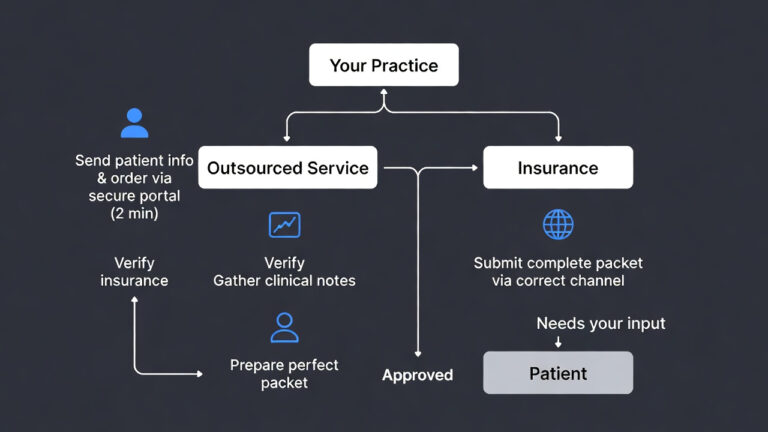
How to Get Started with Prior Authorization is simple. Thousands of U.S. businesses, from startups in Austin to practices in Philadelphia, already use these services. This guide shows each step, starting with your needs. What tasks drain your time? Imagine gaining 20–30 extra hours weekly for growth, meeting clients, creating products, or planning strategy.
Prior Authorization Steps:
Step 1: Identify Your Needs and Create Task Lists
The first and most important step in How to Get Started with Prior Authorization is clearly defining what you need help with. This clarity will help you find the right Prior Authorization support and set expectations from day one. Start by tracking your activities for one week. Write down everything you do, how long it takes, and whether it truly requires your personal attention. Most business owners discover that 30–50% of their tasks could be delegated.
Common tasks to delegate include:
Administrative tasks and administrative work • scheduling and scheduling • data management and data management • customer support and communication • document handling and research.

A dentist in Seattle found that she was spending 15 hours per week on scheduling, insurance verification, and patient follow-ups. By delegating these to a Prior Authorization, she was able to see 12 more patients per week, significantly increasing revenue.
Step 2: Find and Evaluate Prior Authorization Providers
With your needs clearly defined, it’s time to find the right Prior Authorization provider. The market has many options, so knowing what to look for is essential.
Where to Find Providers: • Specialized Prior Authorization agencies (often the best option for beginners) • Freelance platforms like Upwork or Fiverr • Professional networks and referrals • Industry-specific directories
What to Evaluate: When assessing providers, consider their experience with scheduling, data management, and your specific industry. A provider familiar with American business practices and time zones will integrate more smoothly.
| Provider Type | Pricing | Best For | Rating |
|---|---|---|---|
| Premium Provider | $25-40/hr | Quality-focused businesses | ⭐⭐⭐⭐⭐ |
| Value Provider | $12-20/hr | Budget-conscious SMBs | ⭐⭐⭐⭐ |
| Enterprise Provider | Custom | Large organizations | ⭐⭐⭐⭐⭐ |
| Specialist Provider | $22-35/hr | Industry-specific needs | ⭐⭐⭐⭐ |
Step 3: Onboarding and Training Your Prior Authorization
Proper onboarding is crucial for long-term success. The time you invest upfront pays dividends for months and years to come.
Create Documentation: Write down how you want tasks completed. Include examples, screenshots, and step-by-step instructions. A medical practice in Ohio created a simple Google Doc with procedures for their top 20 tasks, which reduced training time from two weeks to three days.
Set Up Technology: Ensure your Prior Authorization has access to necessary tools and systems. This typically includes: • Email and calendar access • administrative tasks software • scheduling platforms • Communication tools (Slack, Zoom, etc.) • Any industry-specific software
Establish Communication Protocols: Decide how often you’ll connect and through what channels. Daily check-ins work well initially, transitioning to weekly meetings as trust builds. Many successful Prior Authorization relationships include a morning email summary and end-of-day report.
Start with Training Tasks: Begin with lower-risk tasks while your Prior Authorization learns your preferences. Gradually increase responsibility as they demonstrate competence. This approach has helped businesses in Chicago, Dallas, and across the country build successful long-term relationships.
Step 4: Managing and Optimizing Performance
Once your Prior Authorization is up and running, focus on management and continuous improvement. The goal is to make the relationship increasingly valuable over time. A key part of How to Get Started with Prior Authorization is not just launching the process, but refining it continuously. By tracking outcomes and adjusting workflows, clinics ensure Prior Authorization becomes smoother, faster, and more effective over time.
Track Key Metrics: Monitor task completion rates, accuracy, and response times. Use project management tools like Asana, Trello, or Monday.com to maintain visibility into ongoing work.
Provide Regular Feedback: Don’t wait for problems to accumulate. Address issues promptly and acknowledge good work. A law firm in Boston holds monthly review sessions with their Prior Authorization, which has led to a 95% task accuracy rate.
Expand Responsibilities Gradually: As your Prior Authorization masters initial tasks, delegate more complex work. Many businesses start with basic administrative tasks and eventually have their Prior Authorization handling data management, customer support, and even document handling.

Build the Relationship: Remember that your Prior Authorization is a professional who thrives on appreciation and growth opportunities. Treating them as a valued team member rather than just a vendor leads to better results and longer tenure.
Common Mistakes to Avoid
Learning from others’ mistakes can save you time, money, and frustration. Here are the most common pitfalls American businesses encounter when working with Prior Authorization services. By understanding these challenges early, you’ll know how to get started with prior authorization more effectively and avoid costly setbacks.
Mistake #1: Inadequate Onboarding Rushing through training leads to errors and frustration. Invest the time upfront—it pays off quickly.
Mistake #2: Unclear Expectations Vague instructions produce inconsistent results. Be specific about what success looks like for each task.
Mistake #3: Micromanaging Checking in every hour defeats the purpose. Set expectations, provide resources, and let your Prior Authorization work independently.
Mistake #4: Ignoring Time Zones If your Prior Authorization works different hours, plan accordingly. Establish overlap time for real-time communication.
Mistake #5: Not Using Technology Paper-based processes don’t translate well to remote work. Embrace digital tools for administrative tasks, scheduling, and data management.
A healthcare provider in Nevada made most of these mistakes initially. After restructuring their approach with proper documentation and reasonable expectations, they now rate their Prior Authorization experience as “transformative.”
Conclusion
Getting started with a Prior Authorization is one of the smartest decisions you can make for your business. The process, identifying needs, finding the right provider, proper onboarding, and ongoing management, is straightforward when you follow these steps. Understanding what is prior authorization is vital for revenue stability, but managing it shouldn’t drain your resources. CureIntent streamlines the entire approval lifecycle, ensuring your practice meets strict official healthcare coverage standards without the administrative headache. Empower your team to focus on patient care while we handle the paperwork to reduce costs and accelerate approvals.