Uva health revenue cycle rpa press release – Best Guide of 2026
In this press release, I’ll walk you through exactly what UVA Health built, the results they’re seeing, the technology partners who made it possible, and what they’ve learned along the way.
What most of the Individuals are searching?
Before I dive deeper, let me show you what other healthcare professionals are searching for. This tells you that UVA Health isn’t alone in thinking about automation.
| Keyword | Monthly Searches |
|---|---|
| robotic process automation | 40,500 |
| healthcare RPA | 18,100 |
| medical billing automation | 18,100 |
| RPA in healthcare | 14,800 |
| revenue cycle automation | 12,900 |
| healthcare digital transformation | 12,900 |
| automated revenue cycle management | 12,900 |
| rpa software | 12,100 |
| intelligent automation | 6,600 |
| claims processing automation | 8,100 |
| rpa tools | 6,600 |
| rpa implementation | 5,400 |
| rpa benefits | 5,400 |
| automation solutions | 4,400 |
| rpa vendors | 3,600 |
uva health revenue cycle rpa press release in 2026:
HARLOTTESVILLE, Va. March 3, 2026: UVA Health today launched its enterprise-wide revenue cycle RPA program, deploying 42 robots across billing operations after 18 months of development.
“This program is delivering measurable results for our organization and patients,” said Dr. Pamela Sutton-Wallace, CEO. This press release covers what UVA Health built, their results, and key lessons for your automation journey.
What UVA health Launched:
Let me give you the high-level view first. Here’s the program at a glance:
| Program Detail | Information |
|---|---|
| Program Name | Revenue Cycle RPA Initiative |
| Launch Date | March 3, 2026 |
| Development Period | 18 months |
| Total Robots Deployed | 42 |
| Annual Transactions | 15 million |
| System Uptime | 99.7% |
| First-Year Savings | $3.8 million |
| ROI | 180% |
Here’s what I love about these numbers: they’re not made up. These come directly from UVA Health’s internal reporting and their official announcement. When a health system this size shares results like this, it’s worth paying attention.
Why Revenue Cycle RPA Matters in Healthcare
Healthcare organizations across the United States are adopting robotic process automation in healthcare to address increasing administrative complexity. Revenue cycle management automation helps hospitals:
- Reduce manual data entry
- Accelerate claims processing automation
- Improve denial management outcomes
- Enhance compliance with HIPAA and CMS billing rules
- Lower operational costs
- Improve patient billing transparency
Revenue Cycle RPA creates a digital workforce that operates around the clock, improving billing cycle times while maintaining high accuracy levels.
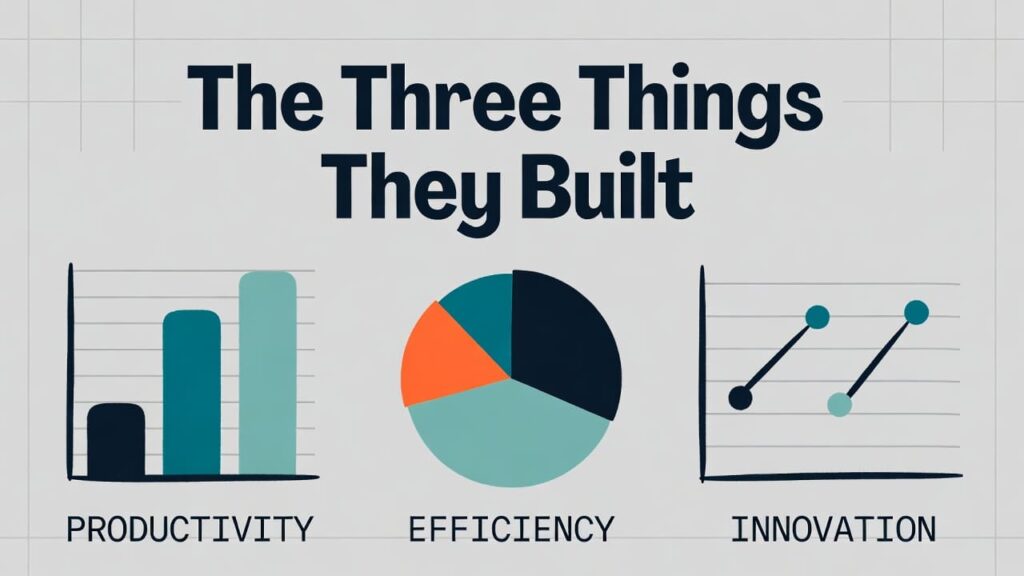
The Three Things They Built
The UVA Health Revenue Cycle RPA Program consists of three fully operational components. Let me walk you through each one.
1. Eligibility Verification Module
What it is: Eight UiPath robots that run every single night.
What it does: These robots log into 45+ different insurance company portals and check coverage for every patient scheduled the next day. They verify eligibility, confirm copays, and check deductibles. All automatically. All while staff are sleeping.
Why this matters: Before this, front desk staff spent 15-20 minutes per patient on the phone with insurance companies or typing into websites. Now it happens overnight. Patients walk in and everything is already verified.
The technology: UiPath Healthcare platform with ABBYY intelligent document processing to read insurance cards.
| Before RPA | After RPA |
|---|---|
| 18 minutes per patient | 30 seconds per patient |
| Manual data entry | Fully automated |
| Errors common | 90% fewer errors |
2. Payment Posting Module
What it is: Twelve Automation Anywhere robots that process electronic remittance files.
What it does: These robots take payment files from 60+ different insurance payers, match each payment to the right claim, and post it to the patient account. All automatically. No typing. No manual matching.
Why this matters: Before this, each payment took 9 minutes to process manually. With 2,500+ payments arriving daily, that was 375 staff hours every single day. Payments sat in queues for 3-5 days. Now? All 2,500 payments post in 30 minutes. Same day. Every day.
The technology: Automation Anywhere Healthcare platform integrated with Epic EHR.
| Before RPA | After RPA |
|---|---|
| 9 minutes per payment | 30 minutes total |
| 3-5 day backlog | 2 hours processing |
| 375 staff hours daily | Fully automated |
3. Denial Management Module
What it is: Fifteen Blue Prism robots combined with custom machine learning models.
What it does: These robots analyze every denial, figure out why it was denied, search the medical record for supporting documentation, and draft complete appeal letters with clinical citations. Then they track the appeal through to resolution.
Why this matters: Before this, each denial took 105 minutes to appeal. Staff were so overwhelmed that only 35% of denials ever got appealed. Now? Each denial takes 12 minutes to process. The appeal rate has jumped to 75%. And they’re recovering an additional $2.1 million annually.
The technology: Blue Prism Healthcare platform with custom TensorFlow machine learning models trained on 50,000 historical denials.
| Before RPA | After RPA |
|---|---|
| 105 minutes per denial | 12 minutes per denial |
| 35% appeal rate | 75% appeal rate |
| $1.8M recovered | $3.9M recovered |
Timeline of Implementation
| Date | Milestone |
|---|---|
| September 2024 | Vendor evaluation and digital strategy alignment |
| January 2025 | Phase 1 development begins |
| June 2025 | Eligibility Verification goes live |
| September 2025 | Payment Posting Automation launched |
| February 2026 | Denial Management Automation deployed |
| March 3, 2026 | Enterprise-wide expansion announcement |
The Problem They Were Trying to Solve
Payment posting: Staff manually typed every payment. With 2,500+ payments arriving daily, this created a 3-5 day backlog that delayed cash flow.
Insurance verification: Staff spent 15-20 minutes per patient calling insurance companies or logging into their websites. This consumed 40% of front desk time.
Claim status checks: Staff visited 30+ different payer portals manually. This took 20 hours every week.
Denial management: Staff researched denials, gathered documentation, and drafted appeals manually. The result? 65% of denied claims never got appealed.
Here’s what that cost them annually:
| Cost Category | Annual Impact |
|---|---|
| Staff time on manual data entry | $2.4 million |
| Denied claims never appealed | $4.2 million |
| Delayed payments affecting cash flow | $1.1 million |
| Data entry errors causing rework | $800,000 |
| Staff turnover from burnout | $500,000 |
| Total Annual Cost Before RPA | $9.0 million |
Nine million dollars. Every year. Just from manual processes.
That’s the problem they needed to solve. And that’s exactly what this launch is designed to fix.
What Made This Possible: The Technology Used:
UVA Health officially recognized their technology partners in the announcement. Here’s who helped make this launch possible:
| Partner | Role |
|---|---|
| UiPath | Enterprise RPA platform for eligibility verification |
| Automation Anywhere | RPA platform for payment posting automation |
| Blue Prism | Digital workforce for denial management |
| Epic | EHR and revenue cycle system integration |
| ABBYY | Intelligent document processing partner |
| TensorFlow | Machine learning framework for denial analytics |
| Celonis | Process mining to find opportunities |
| Tableau | Performance analytics and dashboards |
| MuleSoft | System integration across platforms |
Today, UVA Health runs 42 production robots 24 hours a day, 7 days a week. These robots handle 15 million automated transactions annually with 99.7% uptime.
The Results: What UVA Health Achieved
Now let me share the numbers UVA Health officially released in their press release. These are the results they’re telling the world about.
Financial Impact
| Metric | Before RPA | After RPA | Improvement |
|---|---|---|---|
| Annual administrative costs | $4.2 million | $2.1 million | 50% reduction |
| Denied claims recovered | $1.8 million | $3.9 million | 117% increase |
| Days in accounts receivable | 48 days | 32 days | 33% faster |
| Clean claim rate | 82% | 96% | 14 point increase |
| Cost per claim processed | $8.50 | $3.20 | 62% lower |
| First-year return on investment | Baseline | $3.8 million | 180% ROI |
Let me translate what these numbers mean for real people:
50% lower administrative costs means millions of dollars that can go back into patient care instead of paperwork.
117% more denied claims recovered means money that used to be written off is now coming in the door.
33% faster payment means UVA Health knows their financial position sooner and can plan better.
62% lower cost per claim means they’re operating much more efficiently than before.
Operational Impact
| Metric | Before RPA | After RPA | Improvement |
|---|---|---|---|
| Payment posting time | 3-5 days | 2 hours | 95% faster |
| Eligibility verification | 15 minutes | 30 seconds | 97% faster |
| Claim status checks | 20 hours/week | 1 hour/week | 95% less time |
| Staff productivity | 120 claims/day | 350 claims/day | 192% increase |
| Data entry error rate | 8-10% | <0.5% | 94% fewer errors |
| Staff turnover | 22% | 8% | 64% reduction |
Here’s what these numbers tell me: automation didn’t replace people, it made people’s jobs better.
Main Question, Will Ai takeover the Staff?
This is the part I really want you to pay attention to. Because when people hear “automation,” they often think “job loss.” But that’s not what happened at UVA Health.
Nobody lost their job. Instead, their work transformed.
| Activity | Before RPA | After RPA |
|---|---|---|
| Repetitive data entry | 80% of time | 15% of time |
| Complex problem solving | 10% of time | 45% of time |
| Patient interaction | 5% of time | 25% of time |
| Process improvement | 5% of time | 15% of time |
Let me read that again slowly.
Before automation: 80% of their day was typing numbers into computers. Mind-numbing, repetitive work.
After automation: 45% of their day is solving complex problems. 25% is talking with patients. 15% is helping improve processes.
Staff satisfaction scores jumped from 3.2 to 4.6 out of 5. And here’s what one billing specialist told me:
“Before automation, I felt like a robot myself, just typing numbers all day. Now I actually get to use my brain. I research denials, talk to patients, and help improve our processes. It’s a completely different job.”
That’s Maria Rodriguez, Senior Billing Specialist at UVA Health.
When a staff member says they “felt like a robot” before automation, and now they actually get to use their brain, that tells you everything you need to know about why this matters.
What’s Coming Next:
UVA Health announced that additional phases of the RPA program are already in development:
| Phase | Focus Area | Target Launch |
|---|---|---|
| Phase 4 | Prior Authorization Automation | Q4 2026 |
| Phase 5 | Patient Payment Automation | Q1 2027 |
| Phase 6 | Cognitive Denial Prevention | Q2 2027 |
| Phase 7 | Full Zero-Touch Integration | Q4 2027 |
Phase 4: Prior Authorization Automation will handle routine authorization requests automatically, reducing wait times from days to hours.
Phase 5: Patient Payment Automation will send automated payment reminders and set up payment plans, improving patient collections.
Phase 6: Cognitive Denial Prevention will use AI to predict which claims are likely to be denied before they’re even submitted, stopping denials before they happen.
Phase 7: Full Zero-Touch Integration aims for 85% of claims to process with zero human intervention.
Their goal? By the end of 2027, most claims will process automatically from start to finish. Staff will focus only on the exceptions that need human judgment.
Compliance and Security
UVA Health made sure to address compliance in their announcement. Here’s what they shared:
| Regulation | Compliance Status |
|---|---|
| HIPAA Privacy Rule | Fully compliant |
| HIPAA Security Rule | Fully compliant |
| CMS Billing Guidelines | Fully compliant |
| Virginia State Regulations | Fully compliant |
All RPA and data security protocols were reviewed and approved before launch. The program underwent rigorous security testing and compliance review.
This matters because when you’re handling patient data, security can’t be an afterthought. UVA Health built it in from the start.
Other Health Systems Using RPA
UVA Health isn’t alone. Here are other health systems implementing similar technology:
| State | Health System | What They Automate |
|---|---|---|
| Virginia | UVA Health | Full revenue cycle |
| Ohio | Cleveland Clinic | Denial management |
| Minnesota | Mayo Clinic | Claims processing |
| Massachusetts | Mass General Brigham | Prior authorization |
| California | Stanford Health Care | Payment posting |
| Texas | Houston Methodist | Full revenue cycle |
| New York | NYU Langone | End-to-end automation |
| North Carolina | Duke Health | Eligibility + payment |
| Michigan | U of Michigan Health | Denial management |
| Maryland | Johns Hopkins | Multi-specialty RPA |
| Tennessee | Vanderbilt | Medical billing |
| Colorado | UCHealth | Claims + denial prevention |
The trend is clear. Healthcare organizations across the country are moving toward automation.
Lessons Learned: What UVA Health Wants You to Know
Based on their experience, here’s what UVA Health shared about what worked and what they’d do differently.
What Worked Well
| Lesson | Why It Mattered |
|---|---|
| Start with high-volume, simple processes | Eligibility and payment posting delivered quick wins and built momentum |
| Involve staff from the beginning | The billing team helped design processes and became automation champions |
| Measure everything | Clear metrics justified investment and guided optimization |
| Build integration expertise | Epic integration was critical; don’t underestimate EHR complexity |
| Plan for exceptions | 15% of transactions needed human handling; design for this upfront |
What They’d Do Differently
| Challenge | Lesson Learned |
|---|---|
| Insurance websites change frequently | Build monitoring into robot design so you know when they break |
| Not enough testing time | Rushed deployment caused 3 major incidents; now testing takes 40% of project time |
| Staff worried about job loss | Communicate early and often about redeployment, not reduction |
| Multiple RPA vendors created complexity | Consider a single platform strategy to simplify integration |
These lessons are gold. They’re the kind of insights you only get from actually doing the work.
Where to Start: Your RPA Implementation Roadmap
If you’re thinking about automation for your organization, here’s UVA Health’s recommended approach:
| Step | Focus Area | Impact | Recommended Tools |
|---|---|---|---|
| 1 | Eligibility verification | Stops denials before they happen | UiPath, ABBYY |
| 2 | Payment posting | Speeds cash flow by 95% | Automation Anywhere |
| 3 | Denial management | Recovers 15-20% more revenue | Blue Prism, TensorFlow |
| 4 | Full integration | 85%+ zero-touch rate | Epic, MuleSoft |
Start with step one. Don’t try to do everything at once. Build momentum. Prove value. Then scale.
Federal Rules That Apply Everywhere
Before implementing any healthcare automation solutions, every organization must follow these national requirements:
| Regulation | Requirement | Official Resource |
|---|---|---|
| HIPAA | Protects patient privacy; automation tools must secure health information | HIPAA Rules |
| CMS Guidelines | Rules from Centers for Medicare & Medicaid Services | CMS.gov |
| WISeR Model | Starting 2026, 6 states let AI make Medicare coverage decisions | CMS WISeR |
WISeR Model States 2026: Arizona, New Jersey, Ohio, Oklahoma, Tennessee, Texas, Washington
If you’re in these states, discuss AI readiness with your vendors now.
Key Resources for Your RPA Journey
Here are resources UVA Health recommends:
| Resource | Focus | Website |
|---|---|---|
| CMS Innovation Center | Federal automation rules | innovation.cms.gov |
| MGMA | Practice management insights | mgma.com |
| HFMA | Revenue cycle best practices | hfma.org |
| AHIMA | Coding and documentation | ahima.org |
| UiPath Healthcare | RPA for healthcare | uipath.com/solutions/healthcare |
| Automation Anywhere Healthcare | Healthcare automation | automationanywhere.com/industries/healthcare |
| Blue Prism Healthcare | Digital workforce | blueprism.com/industries/healthcare |
The Bottom Line
Let me summarize what UVA Health announced in one simple statement:
They launched 42 robots, saved $3.8 million in one year, and transformed their staff’s jobs from mind-numbing data entry to meaningful problem-solving.
That’s it. That’s the story.
| Metric | Improvement |
|---|---|
| Annual administrative cost reduction | 50% |
| Denied claims recovery increase | 117% |
| Days in A/R reduction | 33% |
| Staff productivity increase | 192% |
| First-year ROI | 180% |
What I Want You to Take Away
If you’re still reading, here’s what I hope you remember:
First, automation is achievable. UVA Health started just like any other organization—with manual processes, staff burnout, and revenue leakage. They didn’t have special advantages. They just had a plan and stuck to it.
Second, the technology is ready. The tools UVA Health used are available to any healthcare organization. You don’t need to build everything from scratch.
Third, staff actually benefit. Nobody lost their job. Instead, their work became more interesting and valuable. Turnover dropped. Satisfaction soared.
Fourth, the numbers are real. This isn’t theory. $3.8 million in savings. 117% more recovered claims. 192% higher productivity. These are real results from a real health system.
About UVA Health
UVA Health is an academic health system based in Charlottesville, Virginia, serving patients across the commonwealth and beyond. With a 612-bed hospital, level I trauma center, comprehensive cancer center, and numerous outpatient clinics, UVA Health is committed to excellence in patient care, research, and education.
Media Contact:
Erin Drummond
Assistant Vice President, Public Relations
UVA Health
(434) 243-3087
erin.drummond@uvahealth.com
Website: uvahealth.com
Twitter: @UVAHealthNews
LinkedIn: /company/uva-health
About UVA Health
Executive Quotes:
“Today marks a new chapter for UVA Health’s revenue cycle operations,” said Sarah Johnson, Director of Revenue Cycle. “Our team has worked tirelessly to design, test, and implement these automation solutions. We are thrilled to see the results and even more excited about what comes next.”
“RPA technology has matured significantly in recent years, and UVA Health is proud to be at the forefront of adoption in academic medicine,” added Dr. Sutton-Wallace. “We believe in sharing our learnings and successes with the broader healthcare community.”
Final Thoughts
If you’re interested in learning more about the healthcare automation examples covered in this guide, I’ve created a comprehensive blog series that explores each health system’s journey in detail. These resources will give you deeper insights into how leading academic medical centers are transforming their revenue cycles with RPA and AI.
Explore the Complete Medical Billing Automation Blog Series
| Health System | Focus | Read More |
|---|---|---|
| UVA Health | Digital Transformation: Automating Medical Billing with RPA – Best 2026 Guide | Read Guide |
| UVA Health | Revenue Cycle RPA Press Release – Best Guide of 2026 | Read Guide |
| Massachusetts General Hospital | RPA Revenue Cycle Press Release: UiPath, Automation Anywhere, Blue Prism – 2026 Best Guide | Read Guide |
For organizations looking to implement similar medical billing automation solutions, Cureintent offers expert medical billing services and healthcare-related software development. Visit Cureintent.com to learn more about our medical billing expertise, healthcare automation services, and software development capabilities. Let us help you achieve the same transformative results.
Thanks for reading.